
The situation
When Hazel died in July 2019, her will was clear. She left three legacies of £10,000 each. The rest of her estate — worth over half a million pounds — was to be split evenly. Half would go to her son, Mark. The other half would go to her grandchildren, Hollie and Daniel, held in trust until they were old enough to receive it.
Mark was named as executor. It should have been straightforward. The main asset was Hazel’s house. Sell the property, pay the legacies, divide the proceeds.
Probate was granted in November 2019. The house sold in April 2020 for £425,000.
And then — nothing.
What went wrong
After the house sold, Mark stopped communicating.
Hollie and Daniel tried to contact him. They wanted to know when they would receive their inheritance. They asked for basic information about the estate — what assets existed, what debts had been paid, what was left.
Mark didn’t reply.
Their solicitors wrote to him. He didn’t reply.
More letters arrived. He left them unopened.
Months passed. Then a year. Then two years.
By 2021, the grandchildren had no choice but to go to court. They applied for an order requiring Mark to provide a full inventory of the estate and an account of what he had done with the money.
In March 2022, a High Court judge granted a freezing injunction — a legal order preventing Mark from spending or moving the estate funds. The judge also ordered him to provide the requested information within three weeks.
The deadline came and went. Mark provided nothing.
The impact
By mid-2022, Hollie was twenty-five. Daniel was nineteen. They had been waiting more than three years for an inheritance their grandmother had clearly intended them to have.
The house had been sold. The money existed somewhere. But they had no idea where it was, whether it was safe, or whether they would ever see it.
They had spent thousands of pounds on legal fees. They had endured years of silence and uncertainty. And now they were forced to take the extraordinary step of asking the court to send their uncle to prison.
In July 2022, they filed a committal application — a formal request to have Mark held in contempt of court for ignoring the judge’s orders.
The outcome
Mark was arrested on a bench warrant and brought before Mr Justice Leech in September 2022.
At the hearing, he admitted he had breached the court order. He said he had “buried his head in the sand.” He acknowledged that he had received letters from the beneficiaries’ solicitors but had simply left them unopened.
When asked where the estate funds were, he refused to answer. He said he had been advised not to say anything that might “incriminate” himself.
The judge was unimpressed. He described Mark’s conduct as “serious, contumacious flouting of orders of the court.” He found that Mark had deliberately failed to comply with his duties as executor and had caused significant prejudice to the beneficiaries.
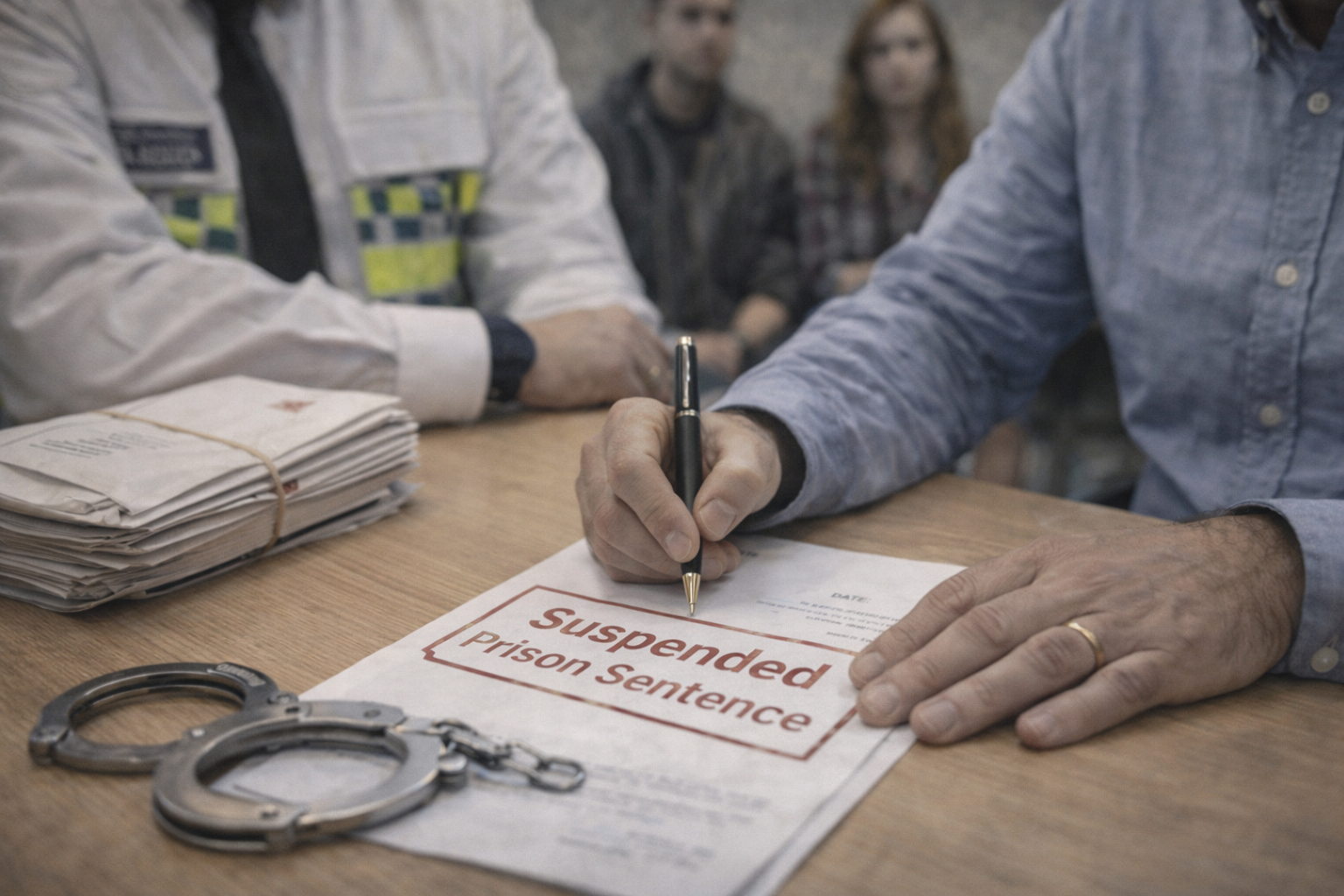
The sentence: four months in prison.
However, the judge suspended the sentence to give Mark “one last chance” to comply with the order. The reasoning was practical — Mark couldn’t administer the estate from a prison cell.
Mark was also ordered to pay £18,000 in legal costs personally.
Whether he ultimately complied, and whether Hollie and Daniel ever received their inheritance, is not recorded in the public judgment. But the case stands as a stark warning of what can happen when an executor refuses to act.
What could have helped
This case is an extreme example of executor failure. But the underlying problem is common: an executor who doesn’t understand — or doesn’t care about — their legal obligations.
Red Flag: Executor as Beneficiary
When an executor is also a major beneficiary, there's a built-in conflict of interest. Mark could delay, hide assets, or ignore beneficiaries — because he controlled everything.
Better Approach: Professional Executor or Oversight
A solicitor or professional trustee would have legal obligations and professional accountability. Or name co-executors who must act together.
Beneficiaries have rights. If an executor is not providing information or is delaying distribution without good reason, beneficiaries can apply to the court for an order compelling them to act — or to have them removed.
Don’t ignore legal correspondence. What began as a failure to reply to letters ended with a bench warrant and a suspended prison sentence. Avoidance makes everything worse.
Why this matters
Most executors do their job properly. But when one doesn’t, the consequences can be devastating.
Hollie and Daniel spent three years in limbo. They paid thousands in legal fees. They had to take their own uncle to court — and ask a judge to send him to prison — just to find out what had happened to their grandmother’s estate.
An executor’s role is not optional. It comes with legal duties that can be enforced by the courts. Failing to meet those duties can result in removal, personal liability for costs, and — in extreme cases — imprisonment.
If you’re making a will, choose someone who will take the role seriously. If you’re a beneficiary dealing with a difficult executor, know that the law is on your side.
Related topics
- Executor
- Devastavit
- Probate
- Breach of Fiduciary Duty
- Who should I choose as my executor?
Based on Totton & Anor v Totton [2022] EWHC 2345 (Ch). Some details have been simplified.